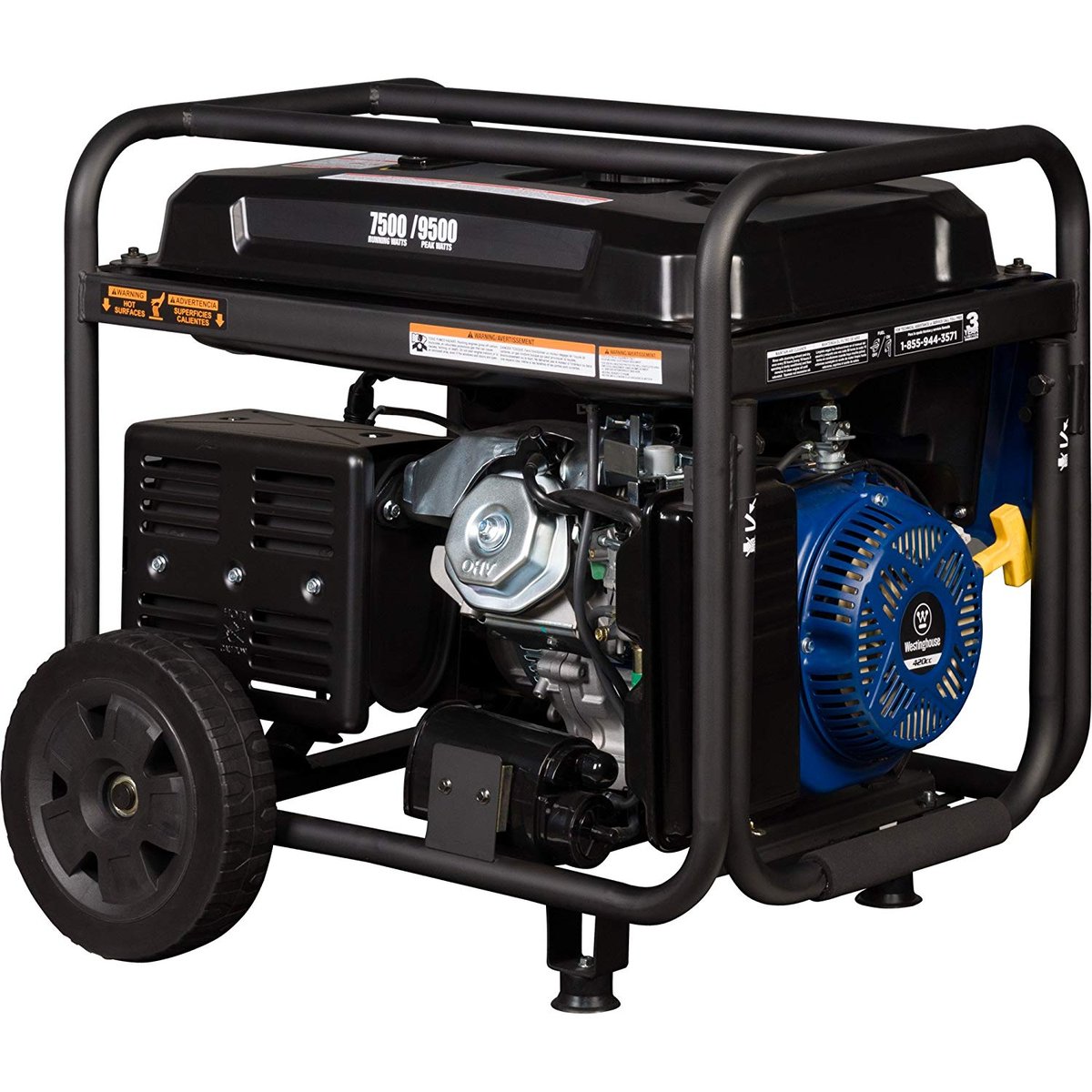
Ever found yourself staring down a potential power outage, a remote job site, or a weekend camping trip, thinking, "I really need a reliable power source"? You're not alone. Navigating the world of portable generators can feel daunting, but it doesn't have to be. This comprehensive guide leverages essential Powermate Generator Buying Guides principles to cut through the jargon, empowering you to make an informed decision and confidently select the perfect generator for your needs.
Think of this as your personal consultation with an expert, designed to equip you with the knowledge to pick a generator that’s just right – not too big, not too small, and perfectly suited to your specific demands.
At a Glance: Your Quick Path to Powermate Generator Clarity
- Define Your Need: What exactly do you need to power? Emergency backup, tools, or recreation?
- Calculate Your Wattage: Determine both starting and running watts for all essential items. Don’t guess!
- Choose Your Fuel: Gas, propane, or dual fuel? Each has pros and cons for efficiency and storage.
- Select Generator Type: Conventional for raw power, inverter for clean power and quiet operation.
- Evaluate Key Features: Consider outlets, starting method, portability, runtime, and critical safety features.
- Mind Your Budget: Balance upfront cost with long-term fuel efficiency and maintenance.
- Prioritize Safety & Maintenance: Understand safe operation and essential upkeep for longevity.
Why Powermate? Unpacking a Trusted Power Partner
When you're investing in a generator, reliability isn't just a buzzword; it's peace of mind. Powermate, a brand with a strong foothold in the portable power market, has built a reputation for delivering robust, dependable generators designed for a range of applications. They’re known for models that strike a good balance between performance, features, and affordability, making them a popular choice for homeowners, DIY enthusiasts, and outdoor adventurers alike.
But even within a trusted brand, choices abound. Understanding the core principles behind selecting any generator, then applying them to Powermate's offerings, is your strategy for success.
The Crucial First Step: What Are You Powering, Really?
Before you even glance at a specification sheet, pause and paint a clear picture of your power needs. This isn't just about what could go wrong, but what you absolutely must keep running or what you want to power for comfort or productivity.
Home Emergency Backup: The Essentials vs. The Whole House
For many, a generator is a lifeline during a power outage. But what defines "essential"?
- Bare Necessities: This typically includes your refrigerator, a few lights, a fan, phone chargers, and maybe a microwave. You're aiming for survival and basic comfort, not your usual daily routine.
- Moderate Comfort: Beyond the essentials, you might want to power a TV, a computer, a sump pump, or a well pump. This requires a bit more juice and careful management.
- Near Whole-Home Convenience: For those who dread disruption, powering major appliances like a furnace, central air conditioning (if feasible with a portable unit), or water heater might be the goal. This significantly ups your wattage requirements and often pushes the limits of portable generators, sometimes warranting a look at more robust solutions or a very large portable unit with a transfer switch.
Job Site & DIY Projects: Powering the Tools That Build
Construction sites, workshops, or even a weekend project far from an outlet demand reliable power for heavy-duty tools. Think circular saws, air compressors, welders, grinders, and hammer drills. These tools often have high "starting" wattages – the brief surge of power they need to kick on – which is a critical factor you can't ignore.
Recreation & Outdoors: From Camping Comfort to Tailgate Fun
The great outdoors doesn't mean sacrificing all modern conveniences. For camping, RV trips, tailgating, or outdoor events, a generator can power lights, small kitchen appliances, fans, medical devices (like CPAPs), or entertainment systems. Here, factors like noise level and portability become paramount, often leading consumers toward specialized types like inverter generators.
Demystifying Wattage: The Heart of Your Power Decision
This is where many people get tripped up, but it's arguably the most critical step. Getting this wrong means either paying for more generator than you need or, worse, having a generator that can't handle your demands.
Running Watts vs. Starting Watts: The Power Surge Explained
Every electrical appliance has two wattage ratings:
- Running Watts (Rated Watts): This is the continuous power an item needs to operate once it's already running. It's the "steady state."
- Starting Watts (Surge Watts): This is the brief, extra burst of power an appliance needs to kick on, especially those with motors (refrigerators, power tools, AC units). This surge can be 2-3 times higher than its running wattage. Think of it like a car engine needing more fuel to accelerate from a stop than to maintain a steady speed.
You need a generator with enough starting watts to handle the highest starting load of all the items you plan to power simultaneously, and enough running watts to keep everything running smoothly afterward.
Practical Steps to Calculate Your Needs
To avoid guesswork and ensure you pick the right size Powermate, follow these steps:
- List Everything: Make a comprehensive list of every single appliance, tool, or device you might want to power simultaneously.
- Find the Wattage: For each item, locate its running watts and starting watts. This information is usually on a label on the appliance itself, in the owner's manual, or often easily found with a quick online search. If only running watts are listed for a motor-driven item, multiply it by 2 or 3 to estimate starting watts.
- Sum Running Watts: Add up the running watts for all the items on your list. This is your baseline.
- Identify the Highest Starting Wattage: Look at your list and find the single item with the highest starting wattage. This is your "surge" item.
- Calculate Total Required Wattage: Add your total running watts (from step 3) to the highest single starting wattage (from step 4).
- Example: If your total running watts are 3000W, and your refrigerator has the highest starting wattage at 1800W, you need a generator capable of at least 4800 starting watts (3000 + 1800).
- Add a Buffer: Always factor in a 10-20% buffer. It’s better to slightly oversize than undersize, giving you flexibility and protecting your generator from being constantly maxed out.
For a deeper dive into the specifics, you can always refer to expert guidance on calculate generator wattage for more detailed scenarios and examples. Remember, accurate wattage calculation is non-negotiable for generator satisfaction.
Fueling Your Power: Gas, Propane, or Dual Fuel?
Powermate generators typically run on gasoline or offer dual-fuel options. Your fuel choice impacts run time, storage, cost, and environmental factors.
Gasoline: The Common Choice
- Pros: Readily available at any gas station, high energy density (meaning more power per gallon than propane), generally lower upfront cost for generators.
- Cons: Degrades over time (needs stabilizers or regular rotation), produces more emissions, can be difficult to store safely in large quantities, harder to refuel during a power outage if gas stations lack power.
- Best For: Most common home backup and job site uses where fuel availability is key and short-term outages are expected.
Propane: Cleaner and More Stable
- Pros: Burns cleaner (less carbon buildup, longer engine life), doesn't degrade over time (indefinite storage life), safer to store than gasoline, easier to connect large tanks for extended run times.
- Cons: Lower energy density (uses more fuel for the same power output), can be harder to source large tanks quickly, typically higher fuel cost per unit of energy.
- Best For: Long-term backup, areas with strict emissions rules, or users prioritizing clean burn and stable fuel storage.
Dual Fuel: The Best of Both Worlds?
Many Powermate models offer dual-fuel capability, allowing you to switch between gasoline and propane.
- Pros: Flexibility to choose the best fuel for the situation, extends overall run time by using both fuel sources, takes advantage of propane's long storage life.
- Cons: Often a higher initial purchase price, propane operation usually results in slightly reduced power output compared to gasoline.
- Best For: Users who want ultimate flexibility and peace of mind, allowing them to utilize whichever fuel is most accessible or cost-effective at the moment.
Understanding the nuances of each fuel type is essential, and you can learn more about how they compare in general terms by exploring generator fuel types explained.
Generator Types: Finding Your Perfect Powermate Match
Powermate offers two primary types of portable generators, each designed for different applications and priorities.
Conventional Portable Generators: The Workhorse
These are the generators most people picture: sturdy, open-frame units with a powerful engine.
- How They Work: An alternator spins at a fixed speed (usually 3600 RPM) to produce raw AC power directly.
- Pros: Generally more affordable per watt, simple design, often higher power output for heavy-duty tasks, robust for job sites.
- Cons: Can be quite noisy, produces "dirty" power (voltage fluctuations) that can be harmful to sensitive electronics, less fuel-efficient at partial loads.
- Best For: Emergency home backup (powering basic appliances, furnace fans), construction sites, power tools, where noise isn't the primary concern and sensitive electronics aren't the main load.
Inverter Generators: Quiet Power, Clean Performance
Inverter generators represent a more advanced technology, offering significant advantages for specific uses.
- How They Work: The engine connects to an alternator that produces high-frequency AC power, which is then converted to DC, and finally "inverted" back into clean, stable AC power. The engine speed can throttle up or down based on the load, optimizing fuel efficiency.
- Pros: Significantly quieter operation (often akin to a normal conversation), produces "clean" sine wave power safe for all electronics (laptops, phones, medical devices), highly fuel-efficient at partial loads, typically more compact and lighter.
- Cons: Generally more expensive per watt than conventional generators, may have lower maximum power output compared to similarly sized conventional units.
- Best For: Camping, RVing, tailgating, powering sensitive electronics, quiet home backup, or any situation where noise and power quality are top priorities. The benefits of this technology are numerous, as highlighted in specific guides on inverter generator benefits.
Key Features and What They Mean for You
Beyond wattage and fuel, several features can significantly impact your generator's usability, convenience, and safety.
Outlets & Connectivity: Hooking Up Your Devices
Look at the types and number of outlets.
- 120V Household Outlets (5-20R): Standard wall outlets for everyday appliances. Ensure enough quantity.
- 120V/240V Twist-Lock Outlets (L14-30R, L5-30R): Essential for connecting to a manual transfer switch for home backup, or for powering larger 240V tools.
- USB Ports: Convenient for charging phones, tablets, and other small electronics.
- GFCI Protected Outlets: Ground Fault Circuit Interrupter outlets are crucial for safety, especially when operating in wet conditions or outdoors. They shut off power immediately if a ground fault is detected.
- Circuit Breakers: Prevent overload and protect the generator and connected devices.
Starting Mechanisms: Effortless Power-Up
- Recoil Start (Pull Start): The traditional method, pulling a cord to start the engine. Simple, reliable, but can require some effort.
- Electric Start: Push-button starting, usually powered by a small onboard battery. Far more convenient, especially in cold weather or for those with limited strength.
- Remote Start: Allows you to start/stop the generator from a distance using a key fob. Ultimate convenience, often found on higher-end or larger units.
Portability & Design: Moving Your Power Source
Consider the generator's weight and design.
- Wheel Kits: Essential for anything over 70-80 lbs. Look for durable, solid wheels.
- Folding Handles: Make maneuvering and storage easier.
- Roll Cages/Sturdy Frames: Protect the engine and components, especially important for job site models.
- Compact Size: Crucial for RVs, camping, or limited storage space.
Runtime & Fuel Efficiency: Power for the Long Haul
Runtime is usually stated at 50% load. A larger fuel tank doesn't always mean longer runtime; fuel efficiency (how much power per gallon) is also key. Inverter generators excel here because they throttle the engine speed to match the load. Consider how long you need the generator to run on a single tank and compare models.
Noise Levels: Keeping the Peace
Measured in decibels (dB), often at 23 feet (7 meters).
- Conventional Generators: Typically 70-85 dB, which is like a vacuum cleaner or a busy street. Can be disruptive.
- Inverter Generators: Often 50-65 dB, comparable to a normal conversation or a quiet air conditioner. Much more neighbor-friendly.
Safety Features: Non-Negotiable Protection
Never compromise on safety. Look for:
- Low Oil Shutdown: Automatically turns off the engine when oil levels are dangerously low, preventing costly damage.
- Overload Protection: Shuts down the generator if too many devices are drawing power, preventing damage to the generator and appliances.
- Spark Arrestor: Prevents hot embers from exiting the exhaust, crucial for preventing fires, especially in wooded areas (often required by law for recreational use).
- CO Sensor (Carbon Monoxide Sensor): Some newer models include a CO sensor that automatically shuts down the generator if dangerous levels of carbon monoxide are detected in the operating area. This is a life-saving feature.
For a comprehensive review of all crucial aspects of safe operation and features, always consult detailed generator safety tips. Your safety, and that of those around you, depends on it.
Making the Right Investment: Budgeting and Value
A generator is an investment, and understanding its true cost goes beyond the sticker price.
Initial Cost vs. Long-Term Operating Cost
- Initial Cost: Conventional generators generally have a lower upfront cost per watt than inverter generators. Dual-fuel models also tend to be a bit pricier than single-fuel equivalents.
- Operating Cost: Consider fuel consumption. While gasoline might be cheaper per gallon, a more fuel-efficient inverter generator could save you money in the long run, especially with prolonged use. Propane costs can also vary. Factor in the cost of oil, fuel stabilizers, and occasional maintenance parts.
Warranty & Support
A good warranty provides peace of mind. Powermate generally offers competitive warranties on their products. Look at the length of the warranty (typically 2-3 years for portable generators) and what it covers. Strong customer support is also invaluable should you encounter any issues. Check online reviews regarding the manufacturer's responsiveness and ease of getting parts or service.
Beyond the Purchase: Essential Generator Care
Owning a generator means taking responsibility for its upkeep. Proper maintenance ensures longevity, reliability, and safe operation.
Storage: Protecting Your Investment
- Dry & Ventilated: Always store your generator in a dry, well-ventilated area, away from living spaces.
- Fuel Management: If storing for more than a month, either run the carburetor dry or add a fuel stabilizer to gasoline to prevent gumming. For propane, simply turn off the tank.
- Cover: A generator cover protects against dust and moisture.
Maintenance Schedule: Keeping It Primed
Just like your car, a generator needs regular check-ups.
- Oil Changes: Follow the manufacturer's recommendations (usually after the first 20-25 hours, then every 50-100 hours or annually).
- Air Filter: Clean or replace regularly, especially if operating in dusty conditions.
- Spark Plug: Inspect and replace periodically for optimal ignition.
- Fuel Filter: Check for clogs and replace if necessary.
- Battery (Electric Start): Keep charged; use a trickle charger if storing for extended periods.
Detailed guidelines for portable generator maintenance can help you establish a routine that keeps your Powermate running smoothly for years to come. Neglecting maintenance is the quickest way to shorten your generator's lifespan.
Common Questions & Misconceptions About Generators
Let's clear up a few common points of confusion that often arise when buying and using generators.
Can a Powermate Portable Generator Power My Central Air Conditioning?
Generally, no. Most portable generators, including many Powermate models, don't have enough wattage to start and run a typical central AC unit, which often requires 3,000-5,000 starting watts or more for even smaller units. Check your AC's wattage carefully. You'd likely need a very large, dedicated portable unit or a standby generator for that.
Do I Need a Transfer Switch for Home Backup?
Yes, if you plan to connect your generator directly to your home's electrical system, a manual transfer switch (or an interlock kit with proper wiring) is absolutely essential. This prevents "backfeeding" electricity into the utility grid, which can seriously injure or kill utility workers and damage your generator. Never plug a generator directly into a wall outlet (known as "suicide cords").
Are All Powermate Generators Ethanol-Friendly?
Most modern gasoline generators are designed to handle E10 (10% ethanol) gasoline, which is common at most pumps. However, higher ethanol blends (like E15 or E85) can cause significant damage to small engines. Always use fresh, high-quality gasoline with no more than 10% ethanol, and consider using a fuel stabilizer if the fuel will sit for more than a few weeks.
How Loud Is a Generator, Really?
This depends entirely on the type. Conventional generators are loud – think running lawnmower levels (70-85 dB). Inverter generators are significantly quieter, often conversational levels (50-65 dB). If noise is a concern for you or your neighbors, an inverter is almost always the better choice.
Your Next Steps to Confident Power
Choosing a Powermate generator doesn't have to be a shot in the dark. By systematically assessing your needs, understanding wattage, evaluating fuel types and features, and committing to proper maintenance, you're well on your way to a confident purchase.
Armed with these insights, you can now confidently approach the market, knowing exactly what to look for in a Powermate generator that aligns perfectly with your specific power demands. Don't settle for "good enough"; find the generator that truly empowers your life, work, or recreation.
Ready to explore your options and find the ideal power solution? We encourage you to further Explore PowerMate generators and compare models based on the criteria you've just mastered. Your reliable power source awaits!