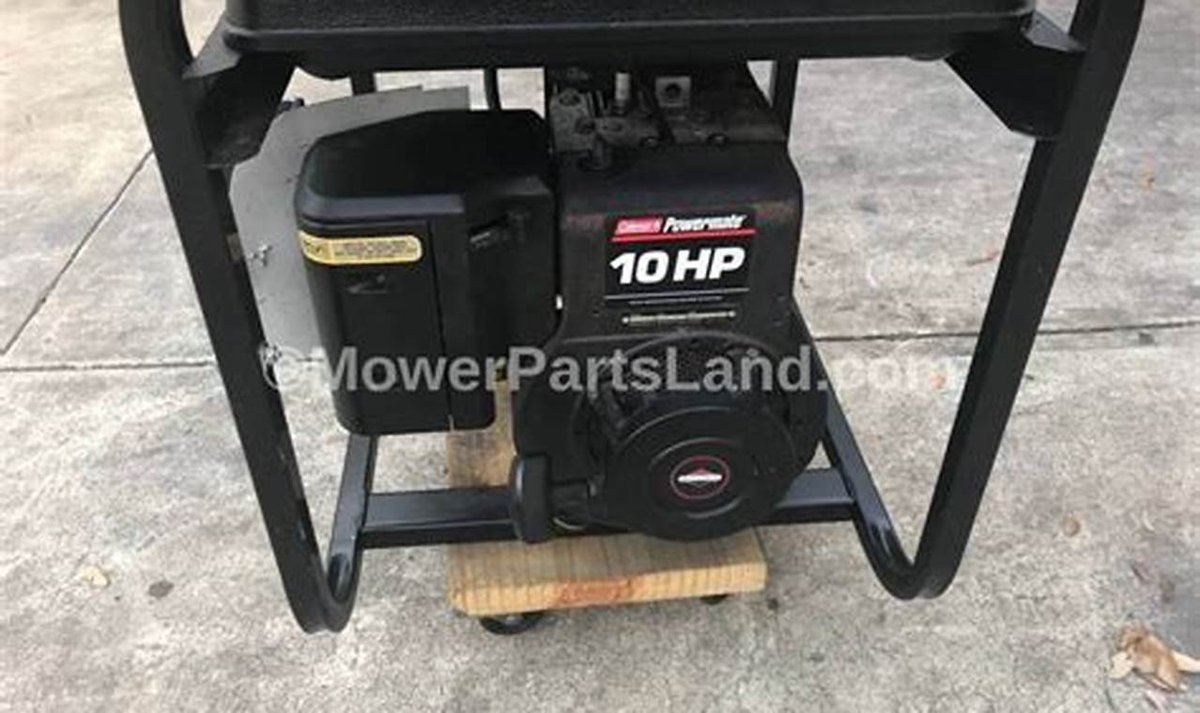
Your Powermate generator isn't just a machine; it's your reliable partner when the lights go out, the job site needs power, or adventure calls. But like any vital equipment, its continued performance hinges on proper care, timely maintenance, and, crucially, using the right Powermate generator parts, accessories, and upgrades. Skimping on quality here isn't just a gamble; it's an invitation for frustrating downtime and costly repairs down the line.
This guide is for every Powermate owner who values dependable power. We’ll dive deep into the essential components that keep your generator humming, the accessories that enhance its usability, and the smart upgrades that ensure it stands the test of time. Think of it as your owner's manual for extended generator life, written with practical advice and the assurance that comes from understanding your equipment inside and out.
At a Glance: Key Takeaways for Your Powermate
- Always Choose Genuine OEM Parts: Only authentic Powermate components guarantee a perfect fit, optimal performance, and the longevity your generator deserves.
- Regular Maintenance Prevents Major Headaches: Proactive replacement of wear items like fuel filters, carbon brushes, and isolators extends your generator's life and prevents unexpected breakdowns.
- Vibration is a Villain: Worn isolators can lead to significant issues; replacing them is key to reducing engine stress and frame damage.
- Fuel Quality is Paramount: A clean fuel filter and a functional shut-off valve protect your engine from contaminants and enable safe storage.
- Safety First: Components like circuit breakers and stable rubber feet aren't just for performance; they protect both your generator and your environment.
- Consult Your Model's Diagram: Always refer to your specific Powermate model's diagrams for precise part identification and installation guidance.
The Foundation of Reliability: Why Genuine Powermate Parts Are Non-Negotiable
When it comes to maintaining or repairing your Powermate generator, the decision between genuine OEM (Original Equipment Manufacturer) parts and aftermarket alternatives can feel like a minor detail. It's not. Choosing authentic Powermate parts is the single most critical factor in preserving your generator’s performance, safety, and lifespan.
Think of it this way: your Powermate generator was engineered as a complete system, with each component designed to work in harmony. Genuine parts are crafted to precise specifications, using the exact materials and tolerances as the originals. This ensures:
- Perfect Fit and Function: No struggling with ill-fitting components or compromising on performance. An OEM part slips right in, performing exactly as the engineers intended.
- Guaranteed Quality and Durability: Sourced directly from the manufacturer, these parts undergo rigorous testing, ensuring they meet the high standards Powermate sets for its products. You’re getting the same quality that went into your generator on day one.
- Preserved Warranty: Using non-OEM parts can, in some cases, void your generator’s warranty. Sticking with genuine parts keeps your coverage intact.
- Optimal Safety: Components like circuit breakers and fuel valves are critical safety features. Genuine parts ensure these perform reliably, protecting both your equipment and those around it.
In short, "genuine OEM Powermate parts" isn't just a marketing slogan; it's the bedrock of lasting reliability for Your PowerMate generator guide. Every part we discuss from here on, from a simple wheel to a complex starter assembly, is best sourced directly from the manufacturer to maintain that original integrity.
Essential Powermate Parts for Keeping Your Power On
A generator is a collection of interconnected systems, each relying on specific parts to function flawlessly. Understanding these key components and knowing when to inspect or replace them is crucial for proactive maintenance.
Fuel System Guardians: Keeping Your Engine Running Clean
The fuel system is the lifeblood of your gas-powered Powermate generator. Clean fuel, properly delivered, is paramount for efficient combustion and engine longevity.
- The Genuine OEM Replacement Fuel Filter: This unsung hero sits in your fuel line, diligently removing rust and dirt particles from the gasoline. Made of durable plastic and sold individually, it's a small part with a massive impact on engine health. If it's broken or clogged, it restricts fuel flow, starving your engine and potentially causing damage. Replacing it typically requires just a screwdriver and a few minutes of your time. Think of it as your generator’s kidney, filtering out impurities before they can harm vital organs.
- The Genuine Fuel Shut Off Valve: An essential component for both operation and storage, this high-quality, durable valve allows you to manually cut off the fuel supply to the carburetor. This is vital when performing maintenance or when preparing your generator for long-term storage, preventing stale fuel issues. Always refer to your specific model's diagrams to locate and ensure correct application.
Engine & Vibration Control: Smooth Operation, Long Life
The engine is the heart of your generator, and managing its power and the vibrations it produces is key to overall unit health.
- The Authentic OEM Starter Assembly: When you pull the cord, this is the component that springs into action, enabling the manual starting of your engine. Over time, components within the assembly – the durable plastic housing, the starter pulley, or the starter spring – can wear out or fail, making pull-starting difficult or impossible. Replacing the entire assembly ensures all interconnected parts are fresh, restoring reliable manual starting. It’s a complete unit designed for straightforward replacement when your old one starts to fray or seize.
- Authentic Powermate Isolators: These often-overlooked parts are critical for your generator's comfort and longevity. Made of rubber (sometimes combined with a metal threaded shaft), isolators secure the engine/motor to the generator's frame. Their primary job is to significantly reduce the vibration produced by a running engine. Without functional isolators, excessive vibration can lead to:
- Increased wear and tear on engine components.
- Fatigue damage to the frame itself.
- Unnecessary noise.
- Discomfort during operation.
There are typically different types, but both aim to provide support and dampen vibrations. One common authentic replacement is made of rubber with a metal threaded shaft and is sold individually. Another version, also made of durable metal with rubber, specifically replaces damaged or missing isolators in gas-powered models. Always check your model's diagrams to ensure you get the correct isolator for your specific setup. Replacing worn, cracked, or hardened isolators is a vital step in proactive maintenance. - Genuine Powermate Carbon Brushes: Commonly found in electric motors within power tools, carbon brushes also play a role in some generator designs, particularly in the alternator or exciter circuits. They are wear items that conduct electricity to rotating parts. Worn brushes can manifest as poor motor running, intermittent operation, or even a loss of electric braking (if applicable). Replacing these individually sold parts can often resolve these issues, restoring consistent electrical output.
Power & Safety Components: Protecting Your Investment
Beyond the mechanical, electrical components ensure power delivery is safe and controlled.
- The Replacement 25 Amp Circuit Breaker: This authentic OEM part is a vital safety device. It’s an automatically operated electrical switch designed to protect your Powermate generator (and anything connected to it) from damage caused by overload or short circuits. By detecting fault conditions, it quickly interrupts the flow of current, preventing overheating, wiring damage, and potential fire hazards. If your circuit breaker trips frequently or fails to reset, it’s a clear sign it needs replacement to maintain safe operation.
Mobility & Stability: Keeping Your Generator Grounded (or Moving)
Even how your generator rests on the ground matters for its performance and longevity.
- Genuine Powermate Wheel Part: Generators are heavy, and mobility is key. This authentic, individually sold plastic wheel attaches to the axle cap, making it easier to move your unit. If a wheel breaks, mobility becomes a major issue. Installation may even be easier with the gentle persuasion of a hammer, ensuring it's seated firmly for reliable transport.
- Genuine Powermate 0047774 Rubber Foot: A small part that makes a big difference. Sold individually, this rubber foot's purpose is twofold: it stabilizes the unit when running, preventing it from "walking" across surfaces due to vibration, and it keeps the frame off the ground. By elevating the frame, it prevents damage from moisture, rough surfaces, and general wear, contributing to the overall integrity and lifespan of your generator.
Specialized Components & Compatibility Notes
Some parts have specific compatibilities or characteristics worth noting:
- Powermate Regulator & Jumper Kit S0064066: If you're dealing with voltage regulation, be aware that a specific Powermate regulator will only function correctly when paired with Jumper Kit S0064066. This highlights the importance of checking compatibility for specialized electrical components.
- Foam Filled Parts: While not a specific part, some Powermate components are described as "Foam Filled." This indicates a design choice for certain elements, likely for added durability, vibration dampening, or sound insulation. This characteristic is good to note when considering replacements, ensuring the new part matches the original's design intent.
Beyond Replacements: Powermate Accessories & Smart Upgrades
While replacing broken parts is essential, true generator stewardship also involves enhancing functionality and extending life with the right accessories and strategic upgrades.
For Powermate generators, "accessories" often refers to items that improve usability, protection, or maintenance ease, even if they aren't strictly internal mechanical parts. "Upgrades" can involve replacing a worn component with a higher-quality OEM version, or adding a feature that wasn't standard.
- The Right Fuel: Beyond the fuel filter, using a high-quality, fresh gasoline (and the appropriate oil for 4-stroke engines) is perhaps the most fundamental "accessory" to your generator's health. Consider using fuel stabilizers if your generator sits idle for extended periods, preventing the degradation of gasoline that can gum up carburetors and fuel lines.
- Protective Covers: While not a mechanical part, a generator cover protects your unit from dust, debris, and the elements during storage. This seemingly simple accessory can significantly prolong the life of external components and keep internal parts cleaner.
- Regulator Jumper Kit S0064066 (When Applicable): As noted, if your Powermate generator requires a regulator, ensuring you have the specific Jumper Kit S0064066 isn't just an accessory; it's a necessary component for the regulator to function correctly, enabling proper voltage output.
- Maintenance Kits: Often, manufacturers offer pre-packaged maintenance kits that include common wear items like air filters, spark plugs, and fuel filters. While the ground truth didn't specifically list Powermate-branded kits, these are excellent "accessories" for proactive maintenance, ensuring you have the right parts on hand when service is due.
Ultimately, the best "upgrades" are often simply consistent preventative maintenance using genuine parts. Replacing a worn rubber foot with a new OEM one isn't just a repair; it's an upgrade from a wobbly, potentially damaging situation to a stable, protected one. Similarly, a fresh starter assembly is an upgrade from unreliable pull-starts to consistent power delivery.
Your Map to the Right Part: Using Diagrams and Sourcing Genuine Components
Finding the correct part for your Powermate generator doesn't have to be a guessing game. Precision is key to avoiding frustration and ensuring a perfect fit.
The Power of the Parts Diagram
Every Powermate generator model has specific part numbers and configurations. This is why the instruction "Users should check diagrams for their model" or "Users should refer to model diagrams for correct location and application" appears repeatedly in the ground truth.
- Identify Your Model Number: This is the absolute first step. Your generator will have a label (often on the frame, engine, or control panel) with its exact model number.
- Locate Your Parts Diagram: Powermate, like most reputable manufacturers, provides detailed parts diagrams and lists, often available on their official website or through authorized dealers. These diagrams visually break down your generator into its smallest components, each with a corresponding part number.
- Cross-Reference Carefully: Once you've identified the component you need on the diagram, use the associated part number. This number is your golden ticket to ordering the correct genuine OEM replacement. Don't rely on visual similarity alone; part numbers are definitive.
Sourcing Genuine OEM Parts
Once you have that elusive part number, where do you go?
- Authorized Powermate Dealers: These are your most reliable source. They have direct access to genuine OEM parts and often have staff who can help you verify compatibility using your model number.
- Manufacturer's Official Website: Many manufacturers offer direct-to-consumer sales of their parts online, complete with search functions by model or part number.
- Reputable Online Parts Retailers: If buying from a third-party online retailer, ensure they explicitly state the parts are "genuine OEM Powermate parts" and check their return policy. Be wary of deals that seem too good to be true, as they often are, indicating potential aftermarket or counterfeit components.
Remember, only genuine OEM parts are sold, as per the ground truth. This commitment by Powermate helps ensure that when you're looking for a replacement, you're getting the quality designed for your machine.
Maintenance Milestones: When to Inspect and Replace Key Parts
Preventative maintenance isn't about fixing things when they break; it's about anticipating issues and addressing them before they cause downtime. Here’s a general guide for inspecting and replacing crucial Powermate parts:
- Before Each Use (or Seasonally for Infrequent Users):
- Rubber Foot (0047774): Quickly check for signs of cracking, hardening, or dislodgement. A stable generator runs safer and lasts longer.
- Wheels: Ensure they roll freely and are securely attached. A broken wheel makes moving the unit a chore.
- Fuel Shut Off Valve: Verify it operates smoothly, allowing you to easily control fuel flow.
- Every 50-100 Hours of Operation (or Annually, Whichever Comes First):
- Fuel Filter: Inspect for visible dirt, debris, or discoloration. Even if it looks okay, consider replacing it annually, especially with heavy use or if you suspect fuel quality issues. A clogged filter starves the engine.
- Isolators: Critically examine the rubber for cracks, hardening, or excessive compression. Worn isolators lead to increased vibration, which can damage the engine and frame. Replacing them proactively is a smart investment.
- As Needed (Based on Performance or Visible Wear):
- Starter Assembly: If you notice resistance when pulling the cord, the cord not retracting fully, or visible damage to the housing or pulley, it's time for replacement. Don't force it; you could damage other engine components.
- Carbon Brushes: If your generator experiences intermittent power output, struggles to maintain a consistent speed, or if you suspect electrical issues, worn carbon brushes are a likely culprit. This often requires disassembling the alternator housing to inspect.
- Circuit Breaker (25 Amp): If the breaker trips frequently without an obvious overload or fails to reset, it indicates a fault within the breaker itself or a persistent electrical issue that needs professional diagnosis. Replacing a faulty breaker is essential for safety.
The key is consistency. A small investment of time in inspection and a willingness to replace worn components before they fail will keep your Powermate generator a reliable source of power for years to come.
DIY Savvy vs. Professional Hand-Off: Knowing Your Limits
While generator maintenance might seem daunting, many common part replacements are well within the capabilities of a competent DIY enthusiast. However, some tasks are best left to the professionals. Knowing where to draw that line is crucial for both your safety and the health of your generator.
Tackle These Yourself:
- Rubber Foot (0047774) Replacement: This is typically a straightforward bolt-on or press-fit job.
- Wheel Replacement: With the right tools (and perhaps a hammer for installation, as noted in the ground truth), replacing a broken plastic wheel is generally easy. Just make sure the generator is stable and securely blocked before lifting it.
- Fuel Filter Replacement: As long as you can safely access the fuel line and use a screwdriver, this is a relatively simple task. Be mindful of fuel spills and work in a well-ventilated area.
- Fuel Shut Off Valve Replacement: Similar to the fuel filter, this is often manageable. Ensure the fuel tank is nearly empty or the fuel line is clamped to minimize spillage.
- Carbon Brushes: For those comfortable working with basic electrical components and disassembling housings, replacing carbon brushes can be a DIY task. Always disconnect the battery and spark plug wire first.
Always remember to consult your owner's manual and the specific parts diagram for your Powermate model before attempting any repair. Disconnect the spark plug wire and, if applicable, the battery before starting work to prevent accidental starting.
When to Call in the Experts:
- Complex Engine Repairs: If the issue involves internal engine components, significant carburetor work (beyond cleaning), or anything requiring specialized tools for timing or torque, it's best to seek professional help.
- Persistent Electrical Problems: If your circuit breaker repeatedly trips, you have inconsistent power output even after checking brushes, or you suspect issues with the alternator or wiring harness, a certified technician has the diagnostic tools and expertise to safely troubleshoot and repair.
- Starter Assembly (if you're uncomfortable): While replacing the entire starter assembly is often a bolt-on job, accessing it might require removing other components. If you're not confident in reassembling everything correctly, a pro can do it quickly and safely.
- Any Repair Beyond Your Comfort Level: If you're unsure about any step, lack the correct tools, or simply feel out of your depth, don't risk damaging your generator or injuring yourself. A qualified small engine mechanic or authorized Powermate service center will ensure the job is done right.
Troubleshooting Common Generator Glitches (and How Parts Fix Them)
Understanding how specific Powermate parts contribute to common problems can help you diagnose issues quickly and apply the right fix.
- "My generator won't start when I pull the cord!"
- The Culprit: Most likely the Starter Assembly. If the cord feels loose, won't retract, or the handle is broken, the internal spring, pulley, or housing has likely failed.
- The Fix: Replace the entire Authentic OEM Starter Assembly.
- "My generator is vibrating excessively and making a lot of noise!"
- The Culprit: Worn or damaged Authentic Powermate Isolators. The rubber has likely hardened, cracked, or compressed, losing its ability to dampen engine vibrations.
- The Fix: Replace all worn Isolators for that engine mount. Remember they are sold individually, so ensure you get the right number.
- "My generator runs rough, sputters, or loses power under load."
- The Culprit: A clogged Genuine OEM Replacement Fuel Filter is a prime suspect, restricting fuel flow. Additionally, dirty Carbon Brushes (if applicable to your model's electrical system) can cause intermittent power or poor motor running.
- The Fix: Replace the Fuel Filter. Inspect and replace Carbon Brushes if they appear worn. Ensure your Fuel Shut Off Valve is fully open and functioning correctly.
- "My generator’s circuit breaker keeps tripping, but I'm not overloading it."
- The Culprit: While sometimes an actual overload, if it happens frequently with normal loads, the Replacement 25 Amp Circuit Breaker itself might be faulty or nearing the end of its life. Alternatively, there could be a persistent short in your generator's wiring.
- The Fix: If no clear overload is present, replace the Circuit Breaker. If the problem persists, consult a professional for a deeper electrical diagnosis.
- "My generator wobbles or moves around when running."
- The Culprit: Worn, missing, or damaged Genuine Powermate 0047774 Rubber Foot components.
- The Fix: Replace any missing or damaged Rubber Feet to restore stability and protect the frame.
- "One of my generator's wheels is broken, making it hard to move."
- The Culprit: A damaged Genuine Powermate Wheel part.
- The Fix: Replace the broken Wheel, ensuring it's securely attached to the axle cap.
Keeping Your Powermate Generator Ready for Anything: Your Next Steps
Your Powermate generator is an investment in preparedness and productivity. By understanding the critical role of genuine Powermate generator parts, accessories, and upgrades, you’re not just performing repairs; you’re ensuring lasting reliability and peace of mind.
The biggest takeaway here is proactive maintenance. Don't wait for a crucial part to fail in the middle of a power outage or an important project. Regularly inspect your fuel filter, check your isolators for wear, and ensure your starter assembly is operating smoothly. Keep an eye on the little things, like the condition of your rubber feet and wheels, as they contribute significantly to the unit's overall health and stability.
Make it a habit to:
- Consult your owner's manual and parts diagrams for specific service intervals and part numbers.
- Source only genuine OEM Powermate parts to guarantee compatibility, quality, and safety.
- Address minor issues promptly before they escalate into major, costly repairs.
With these practices in place, your Powermate generator will not only serve you faithfully for years to come but will be ready to deliver power whenever and wherever you need it most. Stay powered, stay prepared.