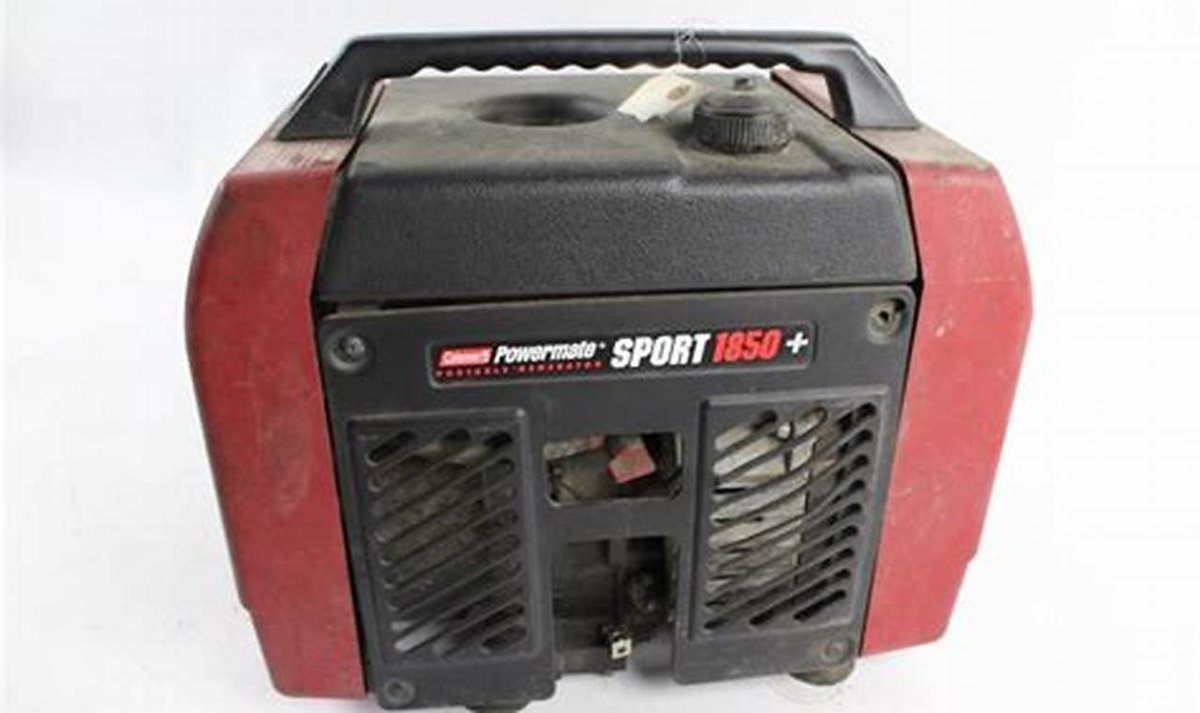
When the grid goes dark, the construction site hums to a halt, or your perfect camping trip faces an unexpected silence, reliable power isn't a luxury—it's essential. This is precisely where Powermate Generators for Specific Applications shine, offering tailored solutions designed to meet a diverse array of power needs, from emergency home backup to powering remote job sites and off-grid adventures. You wouldn't use a screwdriver to pound a nail, and similarly, choosing the right generator means matching its capabilities precisely to your demands.
Forget the one-size-fits-all approach. Powermate understands that your power requirements are as unique as your situation. Whether you need a small, portable unit to keep a few essentials running or a robust workhorse for continuous operation, there's a Powermate engineered for the task. We'll cut through the noise and help you pinpoint the perfect generator that's not just powerful, but perfectly suited to your world.
At a Glance: Your Quick Guide to Powermate Generators
- Tailored Power: Powermate offers generators from 1000W to 6500W, ensuring there's a model for almost any specific application.
- Protection for Your Gear: All Powermate generators feature Automatic Voltage Regulation (AVR) to safeguard sensitive electronics from power fluctuations.
- Diverse Applications: Ideal for coping with power outages, emergency operations, primary energy in isolated conditions, or recreational use.
- Key Considerations: Match wattage (running vs. starting), fuel type, run time, and portability to your exact needs.
- Smart Investment: A well-chosen Powermate generator provides peace of mind and dependable power when you need it most.
Beyond the Basics: Why "Specific Applications" Matter for Your Power Needs
Thinking about generators isn't just about how many watts it can produce; it’s about what you intend to power, where, and for how long. A generator meant for occasional tailgating has vastly different demands than one providing primary power for a remote cabin. Powermate has built its reputation on understanding this spectrum, offering a full suite of generators engineered to excel in their intended roles.
From a compact 1000-watt unit perfect for light recreational use to a formidable 6500-watt powerhouse designed for heavier loads, the range is deliberate. Each model is crafted with specific use cases in mind, ensuring optimal performance, fuel efficiency, and longevity. This targeted approach means you're investing in a machine that's not just "good enough," but truly the right tool for your job.
Crucially, every Powermate generator comes equipped with Automatic Voltage Regulation (AVR). This isn't just a fancy feature; it's a vital safeguard. AVR electronically regulates the output voltage, preventing the damaging spikes and dips that can occur with conventional generators. For anyone planning to power high-tech appliances, sensitive electronics, or modern tools, AVR dramatically reduces the risk of damage, making your generator a safer and more versatile investment. It's a testament to Powermate's commitment to reliability and protecting your valuable equipment. If you're looking for detailed specifications or want to explore the full lineup, you can Learn more about Powermate generators.
Decoding Your Power Needs: Matching Powermate Generators to the Task
Understanding your specific power requirements is the first, most critical step. Let's break down common scenarios and how Powermate generators fit each.
Portable Power for Recreation and Light Duty
Imagine you're camping under the stars, hosting a backyard movie night, or tailgating before the big game. You need power for lights, a small fridge, charging phones, or perhaps a projector. Here, portability, relatively low noise, and sufficient wattage for small electronics are key.
- Typical Powermate Range: 1000W to 2500W
- Why it Works: These smaller units are lightweight and easy to transport, making them perfect companions for excursions. They provide enough juice for essential creature comforts without being an oversized burden. Thanks to AVR, you can confidently charge your laptop or power a portable speaker without fear of damaging surges.
- Examples: Powering a slow cooker at a tailgate, running LED string lights and a small fan at a campsite, recharging camera batteries on a remote photography trip.
Home Backup & Emergency Preparedness
When a storm hits and the lights go out, a reliable home backup generator isn't a luxury—it's peace of mind. Your goal here is typically to power critical appliances like your refrigerator, freezer, sump pump, lights, and perhaps a few small electronics to stay connected. You need enough power to keep your household functional for hours, if not days, until utility power is restored.
- Typical Powermate Range: 2500W to 4000W
- Why it Works: This mid-range offers a sweet spot between portability and power output. A 3500W generator, for instance, can often handle a refrigerator, a few lights, a TV, and a charging station simultaneously. Their fuel efficiency is also a significant factor for extended outages, allowing you to maximize run time with less refueling. The AVR is particularly valuable here, ensuring your home's electronics are safe from the variable power output common in emergency situations.
- Examples: Keeping your food from spoiling during a multi-day outage, powering medical equipment like CPAP machines, maintaining heat or crucial ventilation systems.
Job Site & Professional Use
Construction sites, mobile workshops, and outdoor events often require robust, consistent power to run demanding tools and equipment. This environment calls for generators that can handle heavy-duty loads, often continuously, and withstand rugged conditions. Durability and raw power are paramount.
- Typical Powermate Range: 4000W to 6500W
- Why it Works: These higher-wattage generators are built to tackle the significant starting and running watts required by power saws, drills, air compressors, and welding equipment. They feature sturdy frames and larger fuel tanks to support longer operational periods, reducing interruptions. For professionals, time is money, and a reliable generator ensures productivity isn't lost due to lack of power.
- Examples: Powering multiple corded tools simultaneously on a construction site, running a concession stand with refrigerators and griddles, providing power for sound systems at outdoor events.
Off-Grid Living & Remote Operations
For those living off the grid, running a remote cabin, or managing operations in isolated environmental conditions, a generator might not just be backup—it could be the main source of energy. This demands extreme reliability, often extended run times, and the capacity to handle a significant base load, potentially alongside solar or wind power systems.
- Typical Powermate Range: 5000W to 6500W
- Why it Works: The largest Powermate units offer the sustained power output necessary for more comprehensive off-grid systems. They can support multiple appliances, water pumps, and lighting systems, acting as the backbone of an independent power setup. Their robust design is engineered for consistent use, making them ideal for situations where grid power simply isn't an option.
- Examples: Providing primary power for a remote hunting lodge, running well pumps and essential household appliances in an off-grid home, powering research stations in isolated areas.
The Powermate Advantage: What Sets Them Apart?
Beyond simply offering a range of wattages, Powermate generators bring several distinct advantages to the table that enhance their suitability for specific applications:
- Automatic Voltage Regulation (AVR): As mentioned, this is a non-negotiable feature for modern users. It ensures a stable power output, protecting everything from your smartphone charger to your sensitive power tools from potentially damaging voltage fluctuations. This means less worry about frying your electronics and more confidence in your generator's versatility.
- Robust Construction: Whether it's a lightweight recreational model or a heavy-duty job site unit, Powermate generators are built to last. They feature durable frames and components designed to withstand the rigors of frequent use and diverse environments, from dusty construction sites to damp campgrounds.
- User-Friendly Design: Powermate understands that not everyone is a generator expert. Their designs prioritize ease of use, often incorporating intuitive control panels, clear labeling, and accessible maintenance points. Many models feature convenient electric start options, taking the effort out of getting your power running.
- Fuel Efficiency: Maximizing run time is crucial, especially during extended outages or in remote locations. Powermate engineers their generators for optimal fuel consumption, allowing you to get more hours of operation from a single tank of fuel. This translates to fewer refueling stops and greater convenience.
- Comprehensive Range: The sheer breadth of their product line, from 1000W to 6500W, means that you truly can find a "specific application" match. You're not forced to buy an oversized (and overpriced) generator for light tasks, nor are you stuck with an underpowered unit when you need serious juice.
Choosing Your Powermate: Key Factors Beyond Wattage
While wattage is a primary consideration, a few other factors are equally important when selecting the ideal Powermate generator for your specific needs.
1. Wattage Calculation: Starting Watts vs. Running Watts
This is where many first-time buyers get tripped up. Every appliance has two wattage ratings:
- Running Watts: The power an appliance needs to operate continuously.
- Starting (or Surge) Watts: The brief, higher burst of power an appliance (especially those with motors, like refrigerators, pumps, or power tools) needs to start up.
Your generator needs to be able to handle the highest starting watts of any single appliance you might plug in, plus the running watts of all other appliances that will be operating simultaneously.
Tip: Add up the running watts of everything you want to power, then identify the appliance with the highest starting wattage. Add that appliance's starting watts (minus its running watts) to your total running watts to get your estimated total required wattage. Always err on the side of slightly more power than you think you'll need.
2. Fuel Type
Most Powermate generators run on gasoline, which is readily available. Consider:
- Gasoline: Common, but has a limited shelf life (add fuel stabilizer). Requires proper storage.
- Dual Fuel (if available): Some generators can run on both gasoline and propane. Propane has a much longer shelf life and burns cleaner, but it might be less energy-dense per gallon. (Note: The provided ground truth doesn't specify dual fuel, so assume gasoline for core discussion, but it's a general generator consideration).
3. Run Time & Fuel Capacity
How long do you need your generator to run on a single tank? For emergency home backup, longer run times are often desirable to minimize middle-of-the-night refueling. For recreational use, a shorter run time might be acceptable if you can easily refuel. Larger fuel tanks typically mean longer run times, but also add to the unit's weight and footprint.
4. Portability & Noise Levels
- Portability: Small generators (1000W-2500W) are usually designed for easy lifting. Larger units often come with wheels and handles. If you need to move your generator frequently, portability features are crucial.
- Noise Levels: Generators are inherently noisy, but some are quieter than others. Inverter generators (a type not explicitly mentioned in the ground truth for Powermate, but generally relevant for quiet operation) are typically the quietest. For camping or close-quarters use, a lower decibel rating is a significant advantage. Always check the specific model's noise rating.
5. Safety Features
Beyond AVR, look for features like:
- Low-Oil Shutoff: Protects the engine from damage if oil levels drop too low.
- Overload Protection: Prevents damage to the generator and connected appliances if too much power is drawn.
- GFCI Outlets: Ground Fault Circuit Interrupter outlets provide added electrical safety, especially when operating in damp conditions.
Installation & Maintenance: Maximizing Your Powermate's Lifespan
A generator is a significant investment, and proper care ensures it performs when you need it most.
- Safe Placement: Always operate generators outdoors in a well-ventilated area, far from windows and doors, to prevent carbon monoxide poisoning. Never run it in a garage or enclosed space.
- First Start-Up: Follow the manufacturer's instructions meticulously for initial setup, including adding oil and fuel.
- Regular Exercising: Run your generator under a load for 20-30 minutes every month or two. This circulates fluids, lubricates components, and ensures it's ready for action.
- Fuel Management: Use fresh fuel. If storing for extended periods, drain the fuel tank or use a fuel stabilizer to prevent gumming and corrosion.
- Oil Changes: Adhere to the recommended oil change intervals based on hours of operation or time.
- Air Filter & Spark Plug: Inspect and replace these components as recommended to maintain engine efficiency.
Common Questions About Powermate Generators
Even with a clear understanding, a few questions often pop up. Let's address some common ones to ensure you're fully informed.
What is AVR and why is it important for Powermate generators?
AVR, or Automatic Voltage Regulation, is a crucial electronic device in all Powermate generators. It continually monitors and adjusts the output voltage, ensuring it remains stable and within a safe range. This is incredibly important because fluctuating voltage can damage sensitive electronics like laptops, smartphones, TVs, and modern appliances with delicate circuit boards. By providing clean, consistent power, AVR significantly reduces the risk of such damage, making your Powermate generator safe for a wider array of devices.
Can I really power sensitive electronics with a Powermate generator?
Yes, absolutely, thanks to AVR. The inclusion of Automatic Voltage Regulation across the entire Powermate range specifically addresses this concern. While older, non-AVR generators might pose a risk to sensitive electronics due to voltage spikes and dips, Powermate's AVR technology stabilizes the power output, making it safe to charge phones, power laptops, and run other high-tech appliances without worry.
What's the difference between continuous and surge watts?
- Continuous (or Running) Watts: This is the power an appliance needs to operate steadily once it's running. It's the consistent demand placed on the generator.
- Surge (or Starting) Watts: This is a brief, higher burst of power an appliance, especially one with an electric motor, requires for a fraction of a second when it first turns on. For example, a refrigerator might run at 800 continuous watts but surge to 2400 watts for a moment to get its compressor started. Your generator must be able to handle these surge requirements.
How often should I run my generator?
It's generally recommended to "exercise" your generator for 20-30 minutes every month or two. Do this by starting it up and running it with a light load (e.g., a few lights or a fan). This practice circulates engine fluids, lubricates internal components, and helps keep the carburetor clean, ensuring it starts reliably when you truly need it. Think of it as preventative maintenance to keep your generator in top operational shape.
Making the Smart Choice: Your Next Steps to Reliable Power
Selecting the right Powermate generator means making an informed decision tailored to your precise needs. You’ve now got the framework to assess your specific applications, understand the critical role of features like AVR, and consider key factors beyond just wattage.
Start by meticulously listing every appliance or tool you intend to power. Note both their running and starting wattages. This concrete list is your blueprint. Then, factor in where and how often you'll use the generator, balancing power output with portability, noise levels, and fuel capacity.
A Powermate generator isn't just a piece of equipment; it's an investment in independence, safety, and convenience. By aligning its capabilities with your specific application, you're ensuring dependable power, precisely when and where you need it most. Armed with this knowledge, you're ready to make a confident choice and bring reliable power to your world.